How to Get More Google Reviews from Foreign Visitors (Before They Fly Home)
Visitors stay about a week, and many say they will share the trip on Instagram afterward. Ask once, in a way they can act on later: a card, a link and one sentence.
Ask for the review while the visitor is still in Korea, but never make them write it in front of you. Give them a card or a link, say one friendly sentence, and let them use it on the train to the airport or back at the hotel. That is the whole method. The rest of this guide covers where Google draws the line, where to put the ask for each kind of business, and what to say.
It is part of our full guide to Google reviews from foreign visitors. If you want the bigger picture of how visitors pick a place before they ever see your reviews, start with how foreign visitors find businesses in Korea.
The window is about a week
International visitors stayed 6.5 days on average in 2025, according to a Bank of Korea report covered by The Korea Times. Your guest might meet you on day two and be home by day seven. After that, the moment fades.
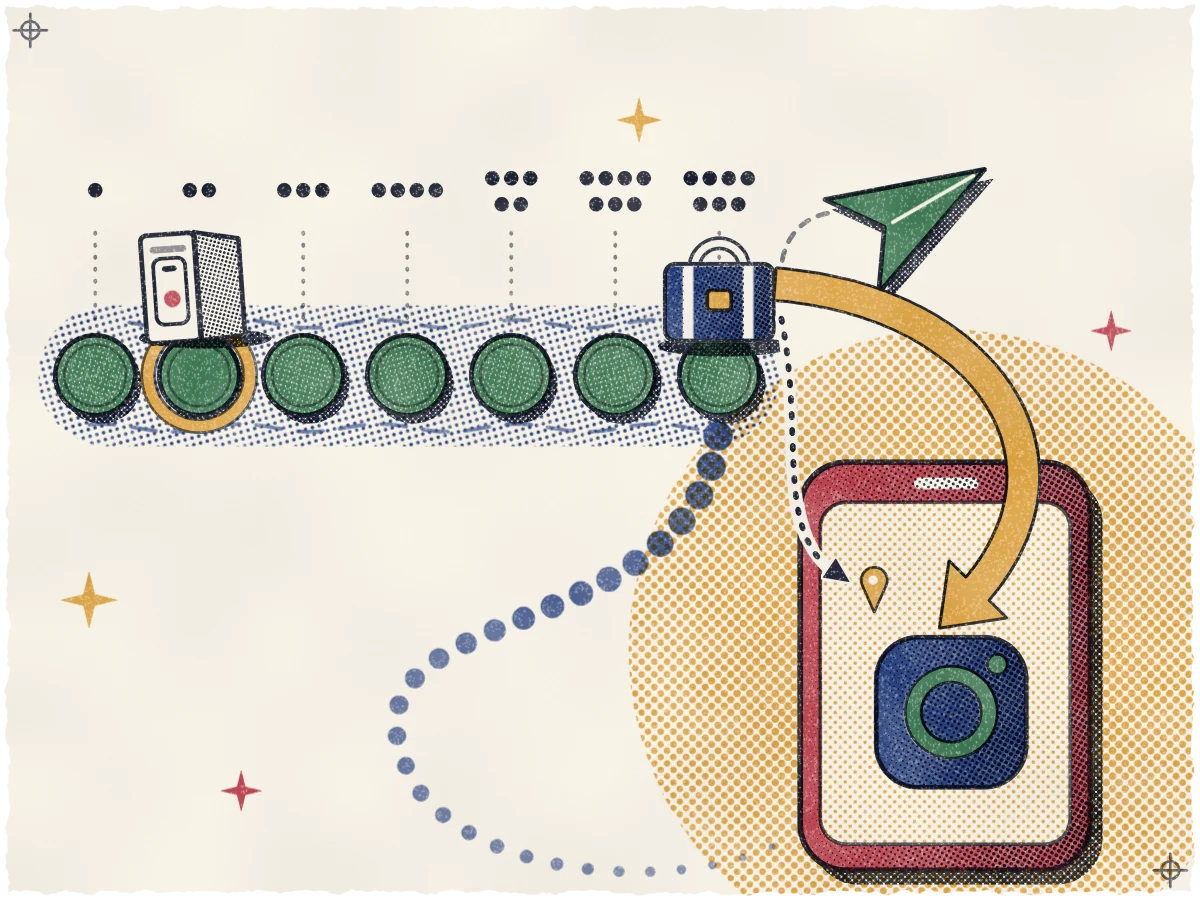
Where do their memories go? In a late-2023 survey by Korea's culture ministry and the Korea Tourism Organization, 45.6% of foreign visitors said they planned to use Instagram to record and review their trip afterward. The survey is from 2023, so read it as a pattern, not a current count. Say a guest loved your galbi in Mapo: back home, they post a photo to Instagram and never get around to Google Maps.
So the ask has to reach them during the visit, in a form they can act on when they have a free minute.
Is it allowed to ask for Google reviews?
Yes. Google's Maps contribution policy lists, among things merchants may do:
Solicit or encourage the posting of content that does represent a genuine experience, without offering incentives to do so or attempting to influence the rating or the contents of the review.
The same policy sets the limit. Merchants
should not require or pressure users to leave ratings or write reviews while on the premises, nor should they request that specific content be included.
Three more rules matter here. Payment, discounts and free goods or services for a review are banned. You may not discourage negative reviews or "selectively solicit positive reviews from customers." And asking staff to collect a set number of reviews, or reviews with specific content, including a staff member's name, is listed as a violation.
Our line is stricter than the policy, so you never get close to it:
- Ask once.
- Let the visitor choose when.
- No staff watching, and no waiting at the table.
- Never hand over a phone or tablet.
- No gift, discount or free dessert.
- Never say what the review should mention, whose name to include or how many stars to give.
The policy page shows no revision date, and it can change. We read it on October 12, 2026 and quoted what it says today. Read it again before you print a thousand cards.
Get your review link and QR code
Google gives you a review link and a QR code for your profile. Per its help page, go to your Business Profile, select Read reviews, then Get more reviews. Copy the link or save the QR code. For now the QR code can only be generated in a computer browser, not on a phone. Google suggests printing the code for your shop and adding the link to receipts, thank-you emails and chat messages.
Tell staff one limit: reviewers need a Google Account, and Google says they can create one with a non-Gmail email address. Some guests will not bother, and that is fine. Do not walk anyone through signing up.
Where to put your review link, by business
Almost every placement below is something the visitor takes away or receives later. None asks for a review on the spot.
| Business | Where the ask goes |
|---|---|
| Korean BBQ | A small card in the bill tray or tucked under the receipt. A QR code on the table works too, as long as nobody points at it. |
| Café or bakery | A card at the pickup counter, by the napkins, where people wait with a phone in hand. |
| Hanbok rental | A card at the return desk. Say you rent near Gyeongbokgung: guests return their hanbok with the day's photos still on their phones. |
| Photo studio | The message that carries the photo download link. Guests open it to look at their photos. |
| Guesthouse or hotel | A message on the morning of checkout or the day after, not at the front desk while bags are by the door. |
| Class or tour | A follow-up message that evening or the next day, with the link and a thank-you. |
Use the same link everywhere. You will not know which card brought in which review, and you do not need to.
Send it to everyone. If you only send the link to guests who seemed happy, you are selecting positive reviews, which the policy forbids. Print the card for every table and send the message to every guest.
What to say in English
Keep it to one or two sentences, in the voice you would use across the counter. Ask for honest feedback, good or bad. Skip "five stars" and "please support us."
On a printed card:
Thank you for visiting! If you have a minute after your trip, we would love your honest review on Google. Good or bad, we read every one.
In a message after a class or checkout:
Hi Anna, thank you for joining us. If you would like to share how it went, here is our Google review link: [link]. Honest feedback of any kind helps us and the next traveler. Safe trip home!
Spoken, as you hand over the card and then step away:
Here is our card. If you feel like sharing your experience later, the link is on the back.
Notice what is missing. No discount, no deadline, no hint about what to write, and no one standing there while the guest types. If the guest scans the code at the table, fine. You did not ask them to.
What not to do
Do not trade anything for a review, ask only happy guests, or write reviews yourself, and read what counts as a review incentive before you print anything with a free offer on it.
Steady reviews beat bursts
Readers care about recent reviews. In BrightLocal's 2026 survey of 1,002 US adults, 74% said they look for reviews written in the last three months. It is US data, so use it as a rough guide for American visitors, not a Korean average. But it points the same way as common sense: a trickle that never stops looks alive, and a business whose last foreign review is from last spring can look closed.
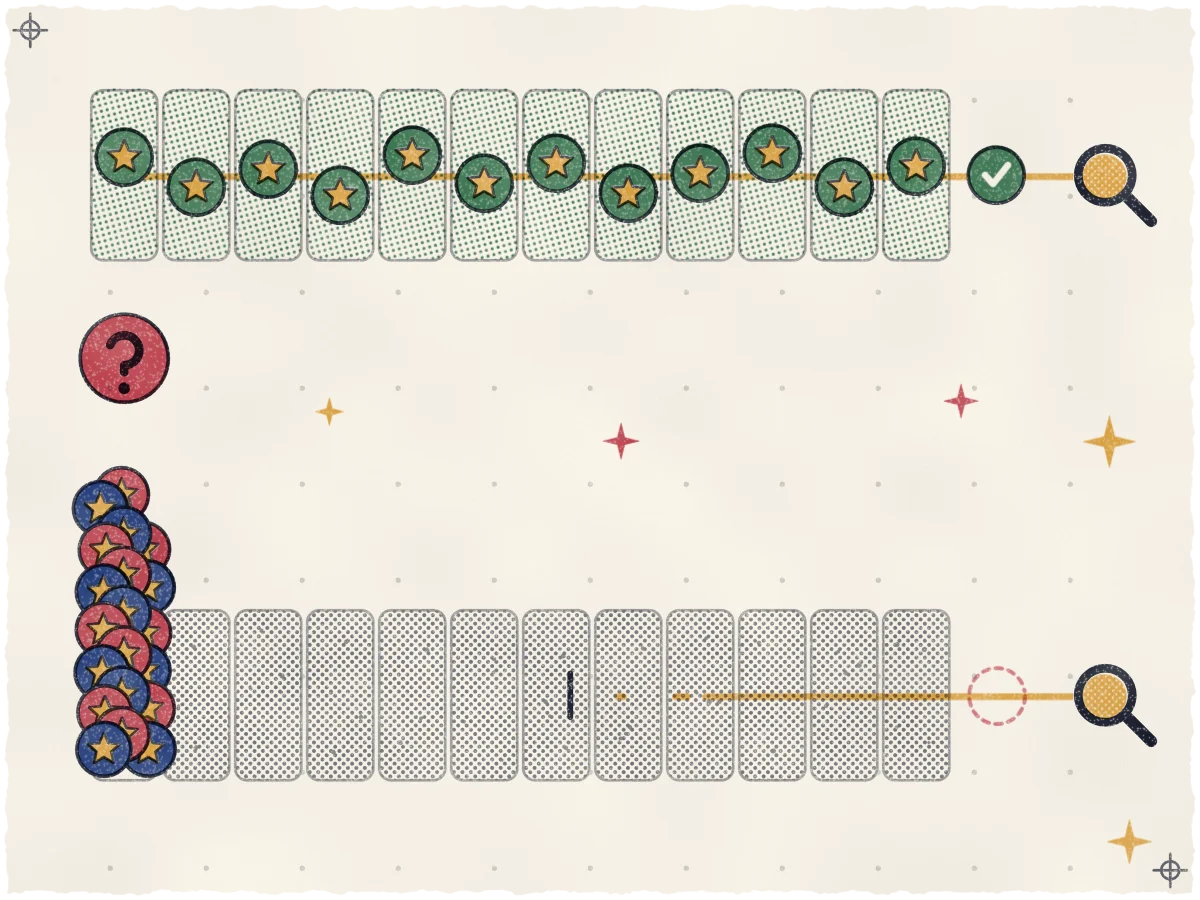
Bursts are a risk. The Maps policy treats "unusual volumes or patterns of review contributions" as a sign of rating manipulation. A weekend where you push everyone to review, then silence for two months, can look like exactly that. Say you run a café in Seongsu and tell staff to collect twenty reviews before Chuseok. That is a quota, and it breaks the rule. Leave the card out every day instead, and accept the slower pace.
Track what comes in, and keep replying
Once a week, open your reviews and write down the date, the stars, the language and what the guest mentioned. After a month you can see whether new cards or messages changed the count. You will not know which one worked, but you will see the trend, and you will see what visitors praise and what costs you stars.
Then reply to each one. Replies are public, and readers notice them: in the same BrightLocal survey, 89% of US consumers said they expect business owners to respond to reviews. Our guide to replying to Google reviews in English has examples for five-star, mixed and one-star cases.
If you would rather not do this yourself, it is part of what we do for getting chosen: we set up the review link for receipts and table cards, and reply to every new Google review in natural English.
See where you stand today
Before you print cards, it helps to know where a visitor finds you today. Tell us your address and the search you want to win, and we will map where you rank across your neighborhood and show the biggest openings. It is free, with no contract and no ranking promise. Ask for your free visibility map.
Sources
- The Korea Times: Foreign spending accounts for 1.17% of Korean GDP in 2025 (Bank of Korea report)
- Korea.net: Foreign tourists prefer domestic apps like Naver Map for visits (MCST and KTO study, March 2024)
- Dailian: MCST and KTO survey of foreign visitors' app use (Korean, March 2024)
- Maps User Generated Content Policy Help: Prohibited and restricted content
- Google Business Profile Help: Tips to get more reviews
- Google Business Profile Help: Create a Google link or QR code to request reviews
- BrightLocal: Local Consumer Review Survey 2026